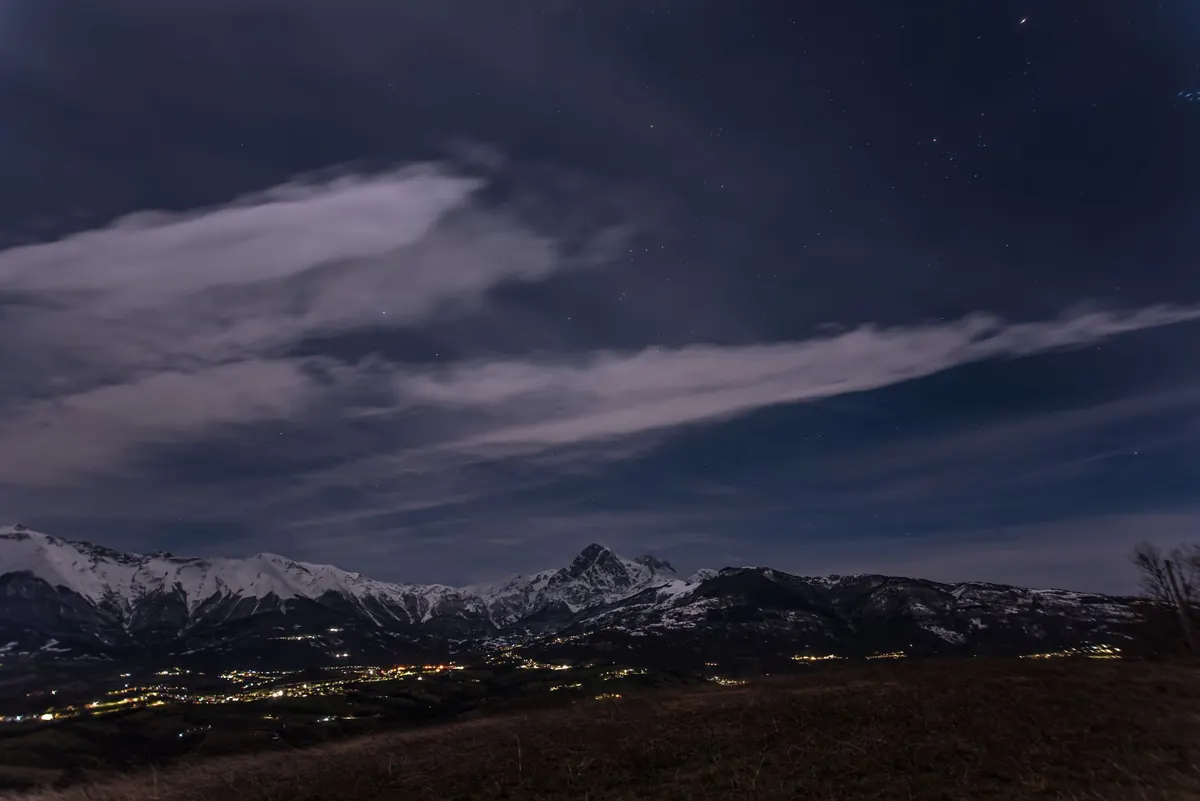
An Alpine dark-sky weekend is less about chasing a perfect forecast and more about stacking small odds in your favor. The sky does the dramatic part; you handle cold fingers, red light, and a telescope that has to survive a mountain road. The right plan leaves room for a cloudy hour, a late arrival at a rifugio, and a temperature drop that arrives faster than you expect. This checklist is built for a weekend in the Italian Alps, from a summer night at altitude to a late-autumn session with frost on the tripod. It assumes you want to spend more time looking up than rummaging through the car, and that comfort is part of the equipment, not an afterthought.
A useful mindset is to treat the weekend as two parallel trips: the drive and sleep logistics, and the observing session. Both need a plan, and both fail in small, predictable ways. A missing headlamp is annoying at home; at a dark pass above 2,000 metres it changes how you move. A forgotten thermos is a nuisance; on a clear night with wind, it shortens the session. Pack for the second trip, not just the first.
Start With the Season, Then Choose the Site
Season shapes everything in the Alps. In late spring and summer, the main obstacles are afternoon thunderstorms, dew, and short nights; in autumn, clear air often comes with sharp temperature drops and early snow on high passes. Winter can be spectacular, but road access, deep snow, and wind chill turn a simple observing trip into a serious cold-weather outing. A good compromise is a site you can reach by car, with a backup plan and a warm place to retreat to.
Think in terms of micro-locations, too. A valley floor near Aosta may be sheltered but suffer from village light domes and valley fog. A high pass in the Dolomites can be wonderfully dark and open, but exposed to wind and sudden cloud. A rifugio in the Gran Paradiso area may offer a warm base and a short walk to darker sky, but you need to confirm access and opening dates. The best site is rarely the highest or the most famous; it is the one that matches your car, your fitness, your sleep plan, and the weather window you actually have.
Moon phase matters as much as cloud cover. A weekend near new moon is worth planning around, but a waxing crescent can still give you a few dark hours before moonset. Check the snow line before you commit to a high pass; a road that is open in September may be closed by the first serious snowfall in November. If you plan to sleep at a rifugio or camp, book ahead and confirm that the access road is open. Also check local rules for protected areas: some parks restrict parking after dark, camping, drones, or the use of white light near wildlife.
A quick pre-trip check
- Moon phase and rise/set times for the nights you will be out.
- Cloud and wind forecast, plus a backup site at lower altitude.
- Snow line, pass closures, and whether the final track suits your car.
- Local rules for parking, camping, and light use in protected areas.
- Altitude and health: if you have heart or respiratory conditions, ask a doctor before heading high.
- Sunset, astronomical twilight, and the time the Milky Way core or your main target will be best placed.
Cold Is the Main Gear Problem
Alpine nights are not evenly cold. The temperature can fall sharply after sunset, and a clear sky often means stronger radiative cooling. Wind makes it worse. Dress for the temperature you expect two hours after dark, not the one you felt at lunch. Start with a moisture-wicking base layer, add an insulating mid-layer, and finish with a windproof and water-resistant shell. Avoid cotton next to the skin. Insulated boots and thick socks matter more than a second camera battery.
Hands deserve their own plan. Thin liner gloves let you change eyepieces; mittens or heavy gloves go on between targets. Chemical hand warmers are useful, but keep them where they will not overheat optics or batteries. A thermos of hot tea or soup is not a luxury on a frosty night. So is a foam mat to stand on: cold travels up through boot soles faster than most people expect. A simple sit pad or closed-cell foam square also makes kneeling beside a tripod far more tolerable.
Altitude adds its own tax. You may feel fine during the day and then notice a headache, dry throat, or unusual fatigue after a few hours in the cold. Drink water steadily, eat more than you think you need, and avoid treating alcohol as a warming strategy. If you are visiting from sea level, give yourself time to acclimatise and keep the first night modest. The goal is to stay outside long enough to enjoy the sky, not to prove anything to the mountain.
- Base layer, fleece or down mid-layer, windproof shell.
- Warm hat, neck gaiter, insulated gloves and liner gloves.
- Insulated boots, spare socks, foam mat or closed-cell foam square.
- Thermos, high-energy snacks, water bottle kept from freezing.
- Emergency blanket, small first-aid kit, and a physical map if phone coverage is patchy.
- Spare dry layer kept in the car for the drive back.
Red Light Discipline and Night Vision
Red light is not a decoration. It is how you protect the dark adaptation you spent 20 to 30 minutes building. Use a dimmable red headlamp or a small red torch, keep it pointed down, and use the lowest setting that lets you see. A white phone screen at a shared viewpoint can undo everyone’s night vision in a second, so set your phone to a red filter, dim it, or leave it in your pocket. If you must use white light for safety or a repair, announce it, shield it, and make it brief.
Car interiors are a common trap. An interior light that switches on when a door opens can flood a parking area with white light just as someone is starting a long exposure or hunting a faint galaxy. Learn how to disable it, or park away from other observers and open doors carefully. Bring a red filter or red film for any light you cannot dim. A small red keychain light is a useful backup, and a strip of red tape over a headlamp lens is a decent emergency fix.
- Dimmable red headlamp and a small red hand torch.
- Spare batteries for lights, kept warm in an inside pocket.
- Red filter or red film for phone screens and car lights.
- Blackout cloth or a dark jacket to shield light when checking charts.
- Offline star chart or app with a red night mode.
Optics, Power, and Cold-Weather Repairs
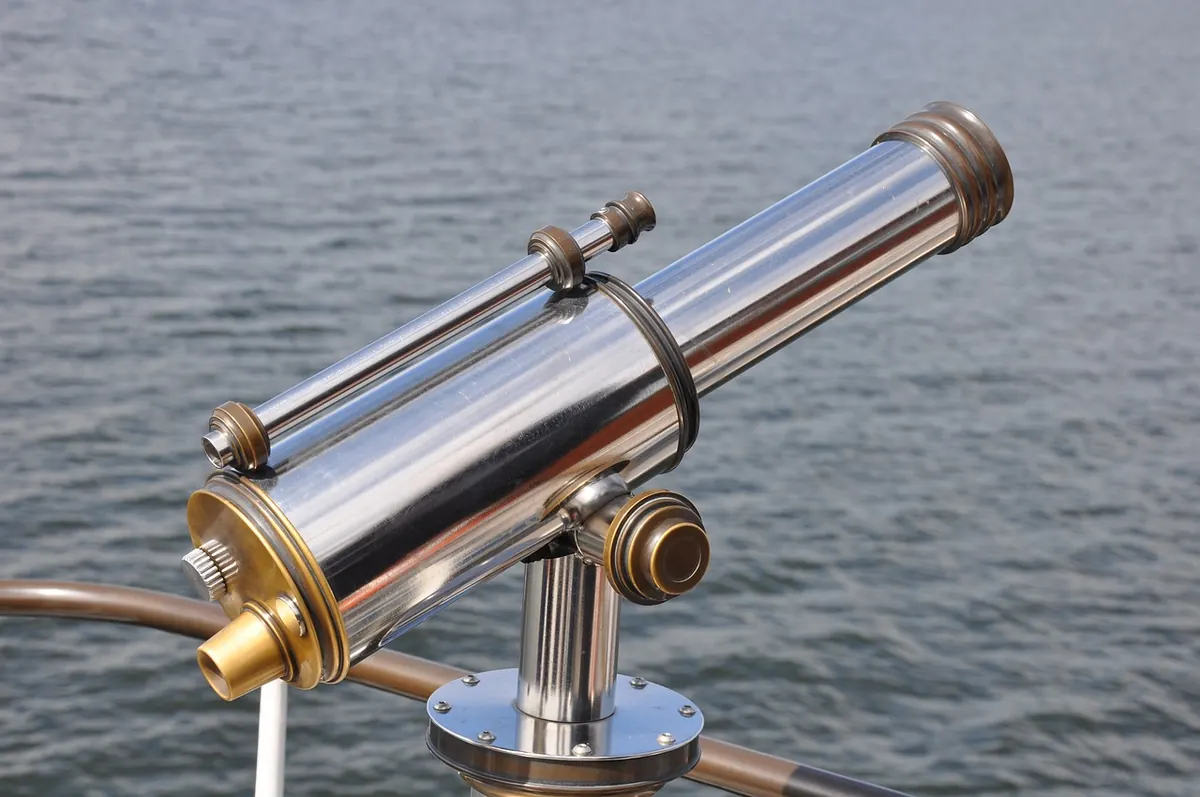
Optics are straightforward until cold and altitude arrive. Batteries lose capacity, grease stiffens, eyepieces fog, and tripod locks become harder to turn with gloves. Keep spare batteries in an inside pocket, not in the camera bag. Let a telescope cool to ambient temperature before serious observing, and use a dew shield or lens heater if you are out for hours. For binoculars, a comfortable strap and rainguard matter more than another magnification. For a telescope, know how to collimate it in the dark and bring the one tool you actually need.
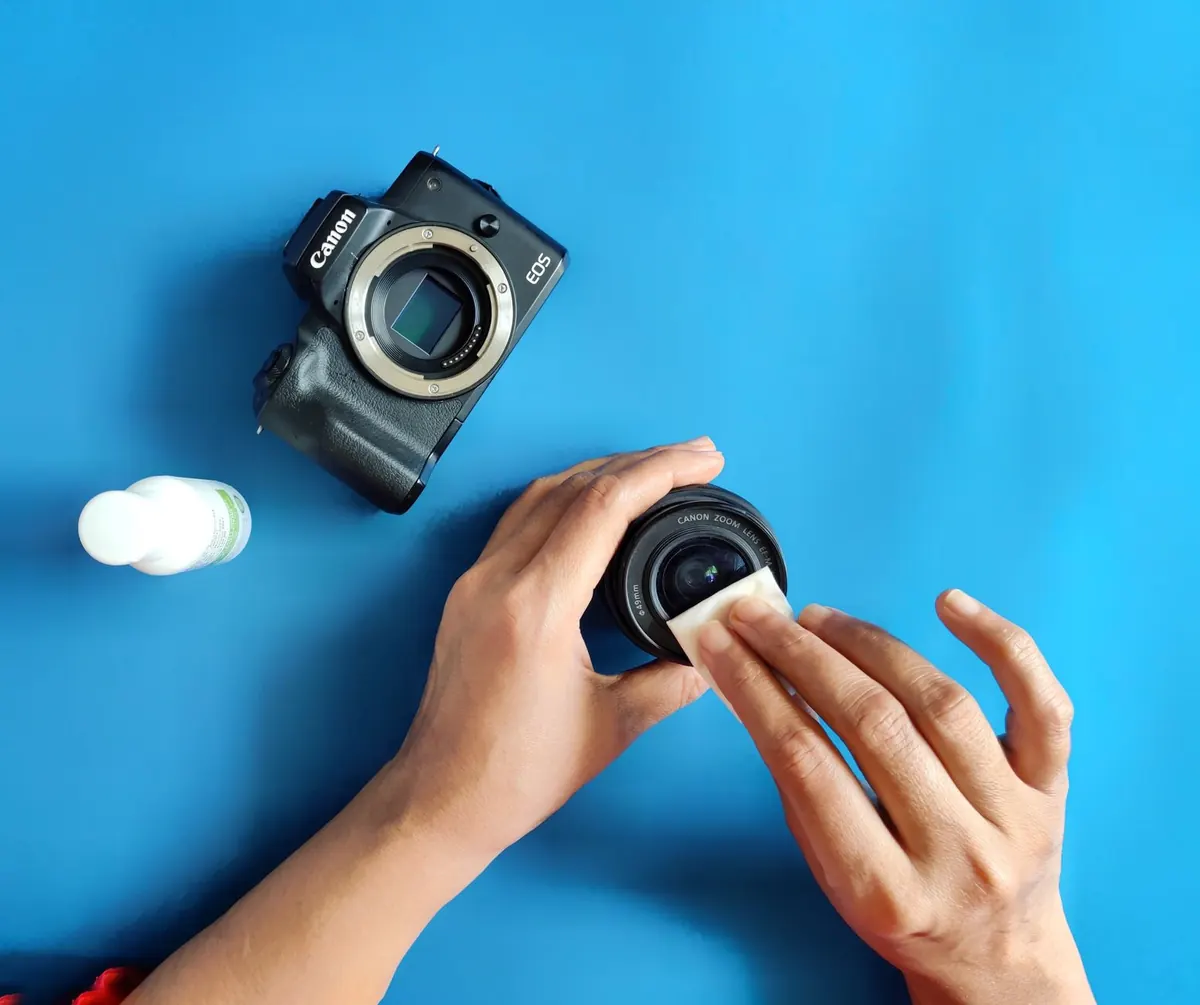
A small repair kit saves weekends. Electrical tape, cable ties, a multitool, a spare lens cap, and a microfiber cloth cover most mishaps. A red-light-friendly notebook and pencil are still useful when gloves make touchscreens unreliable. If you are photographing, bring a remote release or intervalometer, a spare memory card, and a simple lens cloth. Avoid hand warmers pressed directly against batteries or optics; gentle warmth is helpful, concentrated heat is not.
Small repair and power kit
- Spare batteries and a charged power bank, kept warm.
- Electrical tape, cable ties, multitool, and a small Allen key set.
- Lens cloth, microfiber cloth, and a spare lens cap.
- Red-light notebook, pencil, and printed target list.
- Dew shield, lens heater, or chemical warmer used safely.
A Simple Weekend Rhythm
A good dark-sky weekend has a loose rhythm. Arrive in daylight, set up, eat, nap, observe, retreat. On Friday, aim to reach the area before sunset so you can scout the parking, find a flat setup spot, and learn where the toilets or rifugio are. Set up the tent or check in, then eat before dark. A short nap after dinner is often more valuable than another hour of driving. On Saturday, use the morning for a walk or a low-altitude visit, keep the afternoon quiet, and treat the evening as the main event. On Sunday, pack in daylight and leave enough energy for the drive home.
Weather backup is part of the rhythm. If cloud rolls in, give it an hour, then decide whether to move lower, retreat to the rifugio, or call it a night. A lower site may be less dark but more sheltered, and a partly cloudy valley can still offer gaps between clouds. Keep the car keys, a white light, and warm layers together for the walk back. Tell someone your plan and expected return time, especially if you are on a pass with patchy phone signal.
- Afternoon: arrive, scout access, check the latest forecast.
- Before sunset: set up optics, eat, layer up, test red lights.
- After dark: observe in focused blocks, warm up during breaks.
- Mid-session: check dew, batteries, and your own temperature.
- Late night: pack down slowly, leave no litter, drive rested.
Plan for the cold, protect your night vision, and leave room for the sky to surprise you. The best Alpine observing gear is the gear that lets you stay out ten minutes longer than you planned.